
AI-ASSISTED DECISION SUPPORT
AI-enabled CropManage: easier decisions, stronger models
Developing conversational access, hybrid predictive models, and field validation to support irrigation and nitrogen management.
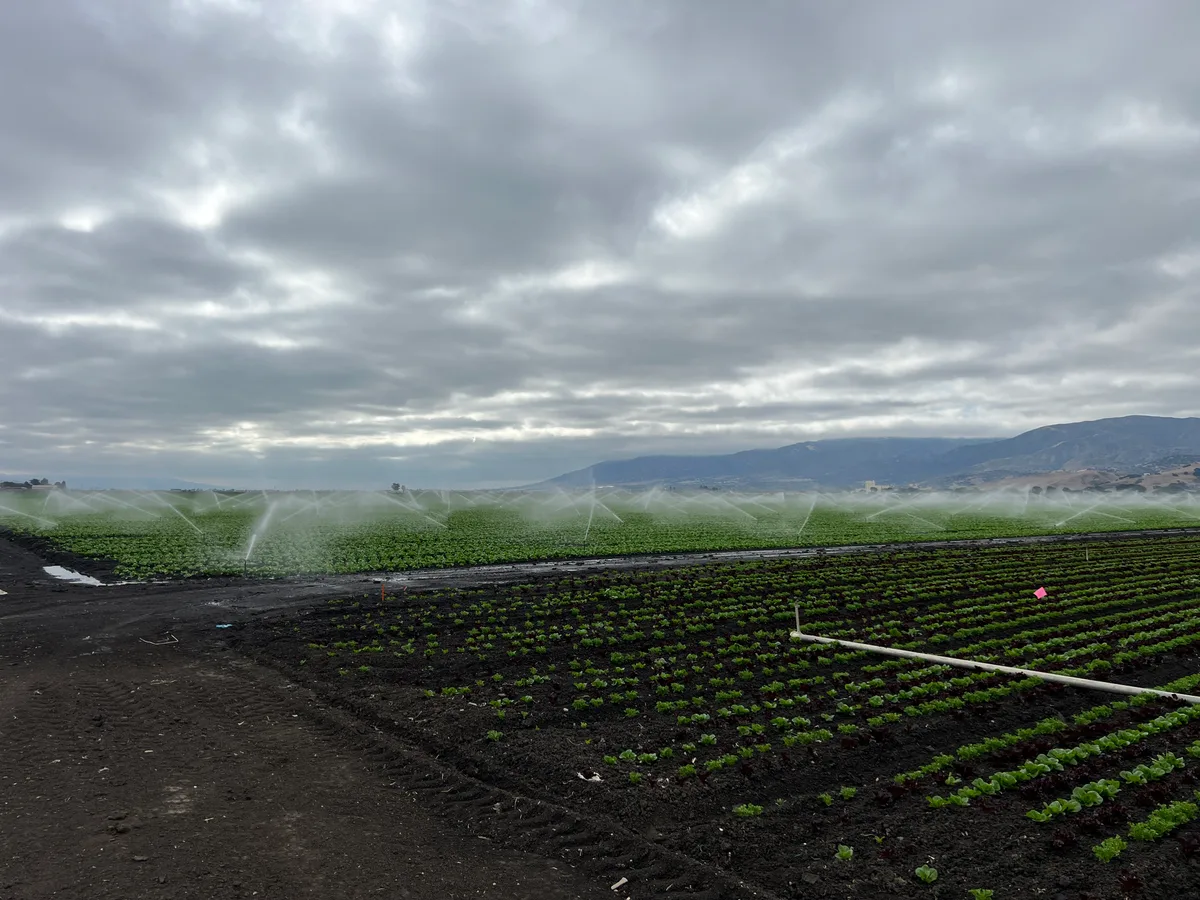
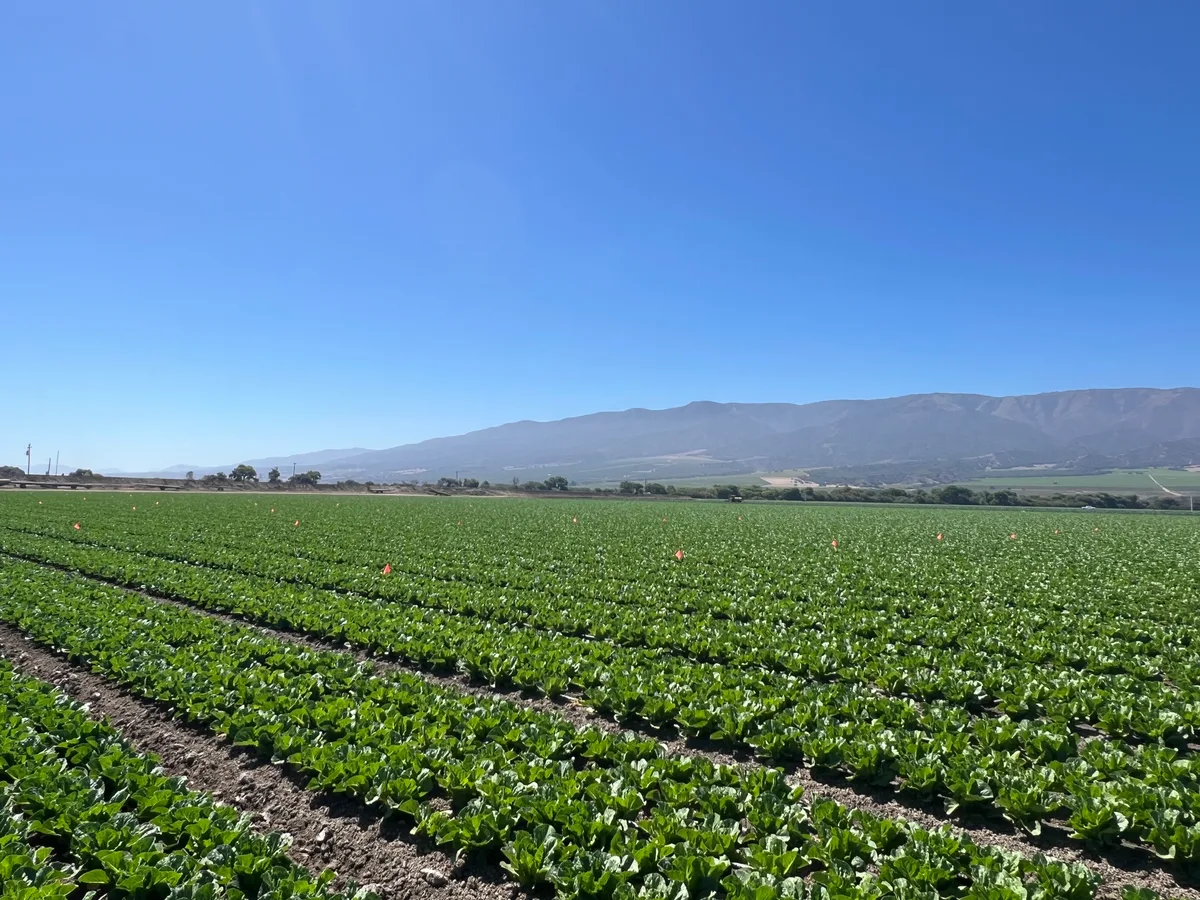

Making decision support easier to use
CropManage provides field-specific irrigation and fertilizer decision support. This project aims to make that guidance easier to access while strengthening the models behind it—connecting a more approachable user experience with research on crop water and nitrogen needs.
Supported by the USDA National Institute of Food and Agriculture’s Specialty Crop Research Initiative (SCRI), the broader effort brings together conversational AI, predictive modeling, and validation in commercial production settings.
A conversation that connects to the crop
An AI-enabled assistant is being developed to guide users through CropManage workflows. The goal is to let growers ask questions in everyday language, identify the relevant ranch and planting, and understand the reasoning behind a recommendation.
The current prototype supports:
- Guided irrigation recommendations for a selected planting and irrigation method.
- Read-only nitrogen recommendation previews using existing CropManage data.
- Planting selection with block information and clarification when a request is ambiguous.
- Optional voice input that users can review and edit before sending.
The assistant connects to existing CropManage recommendation workflows. Key information is confirmed before a calculation is requested, and recommendation consistency and usability are being evaluated before broader release.
Planned extensions include multilingual conversation, smartphone access, logging completed irrigation and fertilization tasks, and reports across plantings. These are development goals, rather than features already available in the prototype.
Combining agronomic knowledge with data
A second research focus is hybrid knowledge- and data-driven modeling: combining established biophysical processes with machine learning to improve prediction while retaining agronomic context.
Target areas include canopy growth, crop evapotranspiration coefficients (Kc), crop maturity, soil evaporation, and nitrogen uptake. The broader development plan also includes seven-day forecasts of reference evapotranspiration (ETo) and precipitation to anticipate crop water requirements.
Soil and water sensors, drone observations, and satellite data are potential inputs for refining these predictions and connecting recommendations more closely to field conditions.
Testing in commercial fields
Planned validation will compare AI-enabled CropManage with grower practices through replicated paired-bed and split-field trials. Measurements will bring together soil nitrate, crop biomass, disease severity, tissue nitrogen, irrigation flow, and microclimate data.
The aim is to assess both agronomic performance and practical usability. Grower support is part of the plan, including annual training, individual assistance, and AI-assisted help modules.
Looking ahead
A longer-term research direction is to incorporate varietal differences in nitrogen- and water-use efficiency, so models can adapt as more resource-efficient crop varieties become available.
Across these efforts, the central objective remains practical: help growers reach useful, understandable irrigation and nitrogen recommendations with less effort, supported by models and field evidence they can assess.